

Overview

A professional headshot catches attention—on LinkedIn, personal sites, show reels, and anywhere online. Skills come later. Job history comes later. What hits right away is the face staring back from the screen. A glance does heavy lifting. Sharpness helps. So does ease. A look that says I know my stuff but won’t make you nervous. Trust builds faster when appearance doesn’t fight against you. A strong photo changes things, whether you’re building a company or sending résumés. Because first impressions stick, especially when screens separate people. Standing out happens quietly—through small choices like image quality. When others blend into the background, clarity pulls focus without shouting. Even on crowded pages, some faces hold attention longer. That moment of pause? Often down to lighting, stance, and expression. Not magic. Just care put into one frame.
Professional Headshot Importance

Pictures speak first, long before any words do. People usually respond when they spot someone who seems both polished and genuine at once. Something about looking capable hits home—almost like credibility steps into view. That split-second look carries weight most won’t own up to.
Pictures land on LinkedIn, then spread to company pages, event lineups, job forms, and printed guides. Since the face never shifts across places, people recognize you; there are no mix-ups. Online gigs, remote roles? That image weighs heavy and matches each resume phrase. First glances begin with appearance and set the tone quickly because of the professional headshot.
Elements of a Strong Professional Headshoot
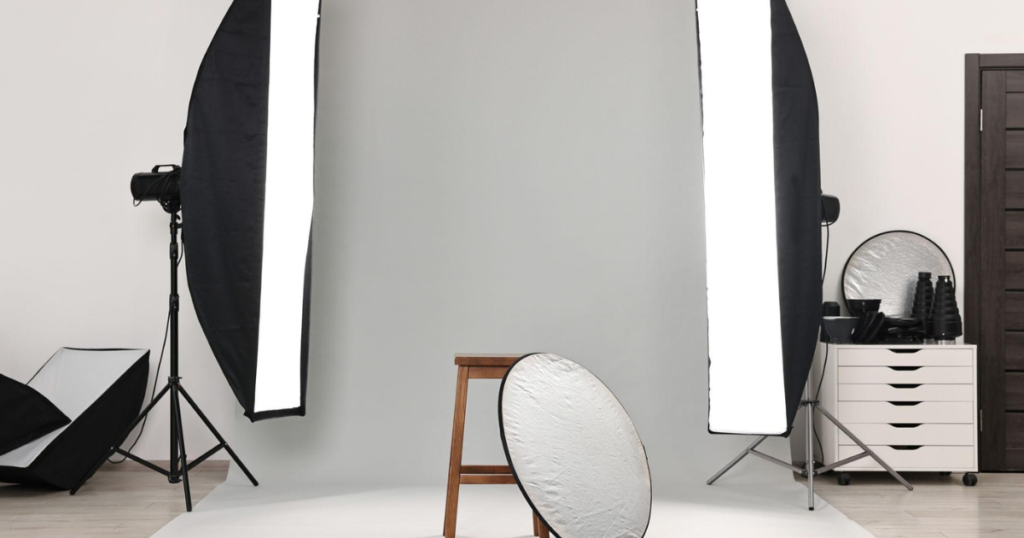
A decent workplace picture rarely depends on expensive equipment. Tiny details tend to matter most.
1. Good Lighting
Light from high up changes the look of skin in photos. Soft light often blurs small marks rather than sharpening shadows across cheeks. Right where the shine lands, features stand clear because heavy darkness stays absent. The angle lifts certain parts into view while keeping others calm.
2. Best Headshot Appearance
Outfits come together when job demands meet personal taste. Working in offices? Suits usually fit: clean lines, sharp edges, standard practice. Artists or designers may go for relaxed shapes with a purposeful touch, maybe crisp blazers over flowing cottons. The key lies somewhere steady—not too hidden, not too loud. Style holds its ground by standing just enough apart.
3. Clean Background
A clean background often keeps attention where it belongs—right on you. Plain colors make that easier. Rooms free of mess usually work better for this.
4. Natural Expression
A genuine smile makes others lean in when they see your photo. If the grin looks forced, it reveals something about its honesty right away.
Workers Use AI Tools on Job Images

A sudden shift arrived when machines started guiding high-end portrait creation. Certain tools now allow users to build refined images without booking a photo session.
1. HeadshotPro
Imagine a tool that turns everyday photos into sharp portraits. This one, called HeadshotPro, carves its spot among AI image tools. Snap a few casual shots, and hand them over—soon, refined images appear ready for LinkedIn or team pages. Magic? Nope. Just clever software working without fanfare.
2. BetterPic
Besides crafting sharp, true-to-life headshots, BetterPic serves professionals aiming to refine their digital image. Different styles and backdrops come into play here, making it a go-to choice when first impressions matter across platforms.
3. AragonAI for
Imagine a tool that turns casual photos into sharp portraits using clever image processing. Not your usual presets—this one shapes results based on what workers need when setting up shop online or launching new ventures.
4. Try It On AI
Imagine creating sharp headshots just using your computer. When speed matters, workers turn here instead of booking photo sessions. Online resumes, company websites—these images show up everywhere. Spending hardly adds up. Even better, hours disappear from the process.
Better Professional Headshots

Open on clear spaces. Mess behind pulls attention away. Sunlight close to glass brings out true tones. Move farther first, then look at how it fits. Set the camera even with your gaze. Soft fabric cleans the glass without scratching. Harsh ceiling lights? Switch them off. White boards can bounce light where it’s needed, softening dark areas. Clarity might come from a slightly higher angle—or maybe lower. Try both. Images reveal what your eyes miss. Stop once in a while to check them. Tiny changes slip under the radar but shift everything. Notice them.
A clean cut works well only if it matches your hair’s natural direction. When strands lie flat on their own, the look stays honest.
Best Practices for a Professional Headshot
- Maintain good posture
- Use high-quality source photos
- Avoid excessive photo editing.
- Update your headshot every few years.
Out there, your image keeps moving—people recognize you quicker because it lines up with how you actually show up today. Truth sticks better when sight and self aren’t fighting.
Common mistakes to avoid
Blurry images can quietly work against you. Not when you notice—only once damage is done. Fuzzy outlines, clashing hues near your head? They pull eyes elsewhere. Away from expression. Away from presence. Chopping others out to seem alone rarely fools anyone. Stiff compositions scream dishonesty. Tints that warp flesh tones feel unsettling. Over-crisp details do too. They whisper discomfort instead of connection. Clear focus helps, yet context speaks louder. What sits around you tells its own story. One glance reveals whether it supports you… or distracts.
Pictures of you today hold equal weight. When people meet you in person or scroll past your photo, alignment builds trust. Reality clicks when visuals line up.
Final Thoughts
Here’s something people overlook: that image of you holds weight. It works quickly, earning trust even before they’ve heard you speak. Your presence in a photograph signals seriousness—no explanation needed. A solid photo says plenty before you speak. Go with a skilled photographer or smart software—both get the job done. Being clear about your value shows in how you present. When the image looks natural with a professional headshot, confidence comes through without trying. People remember that initial impression, most of all on screens. Nail this moment; opportunities tend to follow. Familiarity grows when your features show up again and again. Quiet pictures often stick around longest in the mind.