
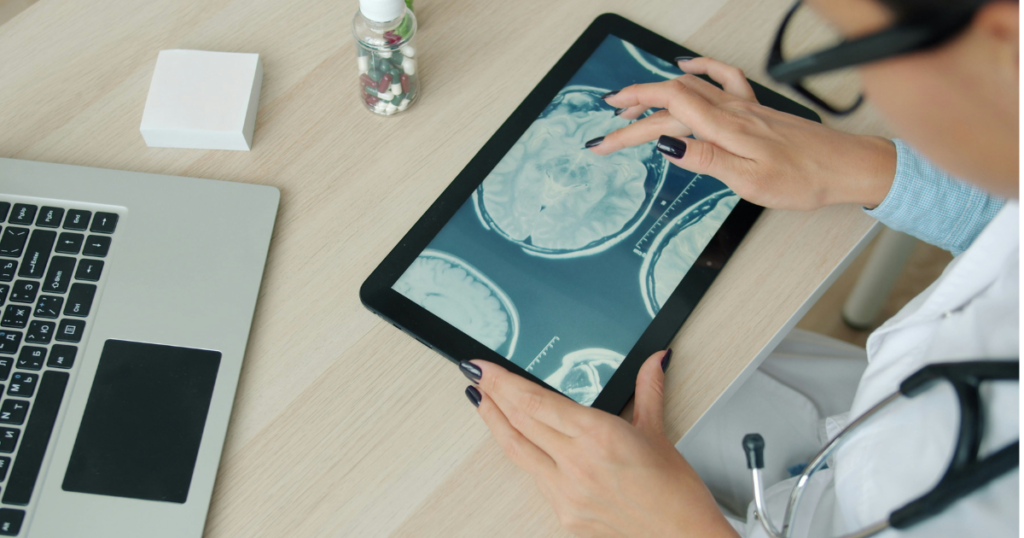
Healthcare continues to change, and artificial intelligence in healthcare is driving many of today’s biggest advances. Hospitals, clinics, researchers, and healthcare professionals use smart technology to improve diagnosis, personalize treatment, and deliver better patient care. These tools also simplify daily tasks and help medical teams work more efficiently.
Healthcare organizations generate large amounts of medical data every day. This includes patient records, imaging scans, lab reports, and data from wearable devices. Reviewing this information manually takes time and increases the risk of errors. Smart systems process data quickly, identify important patterns, and help healthcare professionals make better clinical decisions.
In this guide, you’ll learn how these technologies work and where healthcare providers use them. You’ll discover their key benefits, real-world applications, current challenges, and future trends. By the end, you’ll understand how they improve patient care and help medical professionals provide faster, safer, and more personalized healthcare.

Advanced medical technology uses computer systems to analyze medical data, identify patterns, and help healthcare professionals diagnose diseases and plan effective treatments. Instead of replacing doctors, these systems support their expertise and improve patient care through accurate insights.
Hospitals, clinics, laboratories, and research centers use these technologies to improve efficiency, reduce diagnostic errors, monitor patients, and personalize treatment plans. As a result, artificial intelligence in healthcare helps providers deliver faster, smarter, and more reliable medical services.
Benefits of Artificial Intelligence in Healthcare
Advanced health technology is beneficial for patients, doctors, and medical facilities in many different ways, including:
Faster disease detection
Earlier diagnosis of disease allows medical workers to start treatment sooner, which often leads to a better outcome. Advanced technologies can analyze medical data in order to identify patterns that suggest possible illnesses or diseases.
Improved diagnosis
Doctors use various forms of scans, including x-rays, CT scans, MRIs, mammograms, ultrasounds, and others in order to identify various forms of disease. AI in healthcare allows these scans to be analyzed by medical workers in order to ensure accurate diagnosis.
Personalized Treatment Plans

Every patient is unique, which means that every person has to go through a unique treatment plan. Intelligent medical systems can be used to find treatment plans that are relevant to the patient’s medical history and current health.
Better Patient Monitoring
Many wearable devices can be used to monitor patients’ vital signs and ensure that they are healthy and safe. Doctors can use the information provided by these devices to identify irregularities in a patient’s health in order to prevent negative health consequences.
Reduction of Administrative Work
Doctors and nurses spend a lot of time updating medical records, managing patient documentation, scheduling appointments, and completing other administrative tasks. These routine responsibilities often take valuable time away from direct patient care.
Intelligent technologies automate many of these tasks and reduce the administrative workload. As a result, healthcare professionals can spend more time diagnosing patients, providing treatment, and improving the overall quality of care. Hospitals also increase efficiency and deliver a better patient experience.
Uses of Artificial Intelligence in Healthcare
Medical Imaging and Radiology
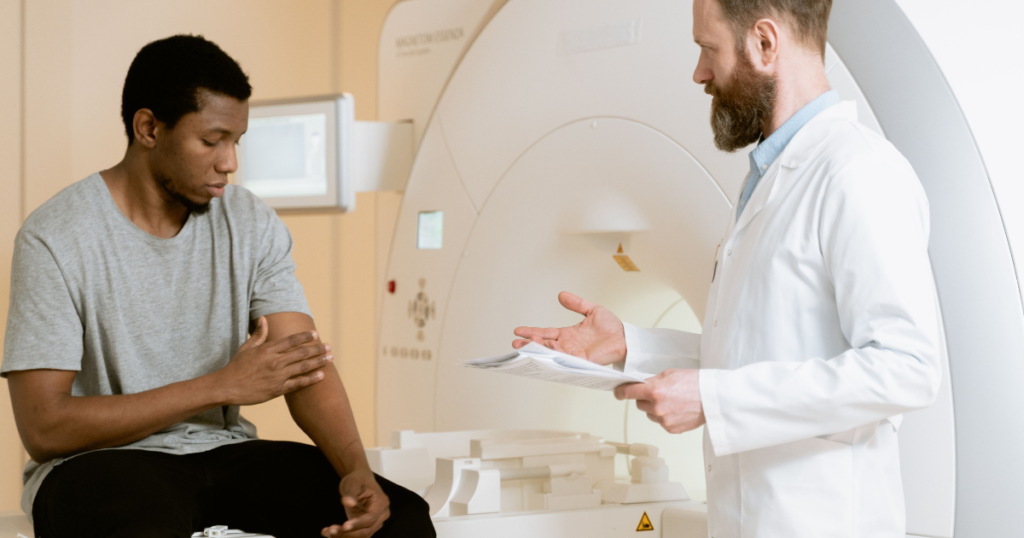
Doctors and radiologists review thousands of images every year in order to detect irregularities that suggest the presence of illness, disease, or injury. Artificial intelligence can be used to review these images more effectively and efficiently in order to ensure early diagnosis of the illness.
Virtual Health Assistants
Various health assistants can be used to review basic health information, schedule appointments, send medication reminders, provide recommendations about health and wellness, and follow up with patients after treatment. This effectively reduces the workload of medical workers while also ensuring that patients receive more help and support throughout their treatment.
New Drug Discovery and Medical Research
It usually takes several years for researchers to identify, design, test, and approve a new drug for medical use. Artificial intelligence in healthcare can be used to shorten this process, making it easier for researchers to analyze existing drugs.
Predictive Healthcare Analytics

Doctors and medical facilities apply predictive analytics to assess and understand the likelihood that a person will develop a certain disease. Predictive healthcare analytics can be used to identify the people who may be at a higher risk of developing heart diseases, diabetes, chronic kidney disease, stroke, hospital readmission, and specific forms of cancer.
Robotic Surgery
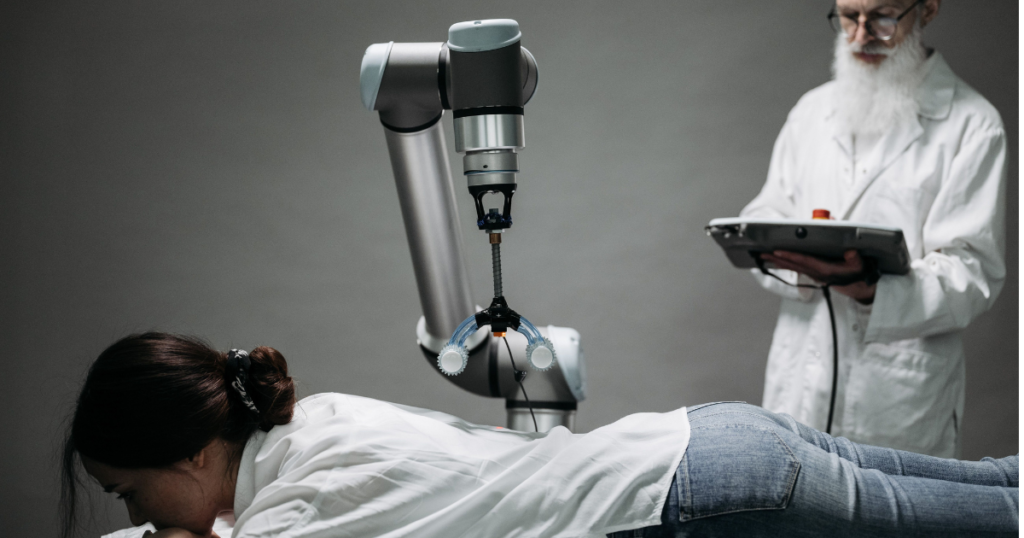
Many robotic systems can be used to assist surgeons during particularly complicated surgeries. These systems allow a better approach to delicate tissues that would otherwise be damaged, resulting in reduced pain, reduced incision size, and faster healing. It is important to note that surgeons are fully responsible for all actions done by these robots.
Examples of Artificial Intelligence in Healthcare
Healthcare organizations use artificial intelligence in many practical ways. Doctors analyze retinal scans to detect diabetic retinopathy at an early stage. They also use machine learning to identify possible signs of skin cancer from medical images.
In addition, healthcare professionals monitor intensive care patients, predict hospital readmissions, and support emergency departments with intelligent technologies. Wearable devices also help doctors detect irregular heart rhythms and track patients’ health in real time. As technology continues to advance, healthcare providers discover new ways to improve patient care and medical services.
Challenges of Artificial Intelligence in Healthcare

Although artificial intelligence in healthcare offers many benefits, healthcare organizations still face several challenges. They must address these issues to provide safe, reliable, and high-quality patient care.
Data privacy and security remain major concerns. Hospitals and clinics must protect sensitive patient information with strong cybersecurity, encryption, and strict access controls to maintain trust and meet healthcare regulations.
Another challenge is data quality. Intelligent systems rely on accurate and up-to-date medical records. Incomplete or incorrect data can affect diagnoses and treatment decisions.
Healthcare providers must also consider ethical concerns. While these technologies support medical decisions, doctors should always make the final judgment to ensure safe and fair patient care.
Finally, implementation costs can slow adoption. Healthcare organizations must invest in software, equipment, staff training, cybersecurity, and system maintenance. Despite the upfront costs, these investments can improve efficiency and deliver better healthcare services.
Best Practices for Artificial Intelligence in Healthcare
Healthcare organizations can get the most value from artificial intelligence in healthcare by following proven best practices. A clear strategy improves patient care and keeps these technologies safe, effective, and reliable.
First, healthcare professionals should lead every clinical decision. These technologies should support doctors and nurses, not replace their knowledge and experience. Human oversight helps ensure accurate diagnoses and better patient outcomes.
Next, healthcare providers should protect patient data. Hospitals and clinics must use strong cybersecurity, encrypt sensitive information, and follow healthcare regulations. These steps build trust and keep patient information secure.
In addition, organizations should invest in staff training. Well-trained doctors, nurses, and medical teams can use these technologies with confidence and deliver better care.
Finally, healthcare providers should monitor system performance on a regular basis. Regular reviews help identify problems, improve accuracy, and ensure these technologies continue to meet patient needs.
The Future of Artificial Intelligence in Healthcare

Healthcare will continue to evolve as technology becomes more advanced. Artificial intelligence in healthcare will play a bigger role in improving patient care and supporting medical professionals.
In the coming years, healthcare providers will predict diseases earlier, create more personalized treatment plans, improve genomic research, and expand the use of wearable health devices. In addition, telemedicine will become more accessible, drug discovery will move faster, and preventive care will help people stay healthier for longer.
Moreover, modern healthcare technologies will improve access to quality medical services, especially in remote and underserved areas. As innovation continues, doctors and nurses will deliver faster diagnoses, better treatments, and more personalized care, leading to improved health outcomes for patients.
Practical Tips for Patients
Patients can take advantage of emerging health technologies by using various wearable devices and keeping organized digital health records.
It is crucial for patients to keep track of their health data and provide it to their doctors and nurses when needed.
Artificial intelligence in healthcare can only be used to benefit patients when it is complemented with professional medical care and healthy lifestyle choices.
Frequently Asked Questions (FAQ)

What is artificial intelligence in healthcare?
Artificial intelligence in healthcare refers to the use of computer systems that analyze medical data, identify patterns, and assist in providing appropriate diagnosis and treatment. This emerging field of study allows medical workers to offer better patient care while ensuring that their operations are as efficient as possible.
Can artificial intelligence in healthcare replace doctors?
Currently, artificial intelligence in healthcare only acts as an effective tool that is run by professional medical workers. Artificial intelligence should not be used as a substitute for medical expertise since human-made decisions still have to be reviewed and approved by medical workers.
What diseases can artificial intelligence in healthcare detect?
Artificial intelligence in healthcare can be used to detect most diseases, as long as doctors have proper data to work with. These diseases and conditions include different forms of cancer, heart disease, diabetes, stroke, eye diseases, and more.
Is artificial intelligence in healthcare safe?
Artificial intelligence in healthcare is only safe when it is carefully designed, tested, and maintained. These technologies should only be used when their safety and effectiveness are proven by appropriate studies and trials.
How does artificial intelligence in healthcare help patients?
Artificial intelligence in healthcare helps patients in many different ways, including earlier diagnosis of diseases, creating personal treatment plans, ensuring that scans are reviewed more efficiently, monitoring patients’ vitals while they are in the hospital, accelerating the research process, and engaging in predictive healthcare analytics to ensure that patients are as healthy as possible.
Conclusion
Artificial intelligence in healthcare helps doctors and nurses provide better patient care and treatment. The use of this new form of technology improves healthcare operations in terms of accuracy, speed, efficiency, and other crucial areas.
Even though there are challenges that are associated with the implementation of artificial intelligence in healthcare, the future of healthcare looks bright. With the use of these advanced technologies, patients will receive better treatment and get diagnosed faster, which ensures that their health conditions will improve. Doctors and nurses are essential parts of the healthcare system, and their work is crucial in order to ensure that patients receive adequate care.