
Staying active becomes much easier with the best workout apps because they help track progress, guide daily exercises, and adjust routines based on your fitness level. Instead of following random workouts, these apps use smart features to understand your goals, whether you want to lose weight, build strength, or improve endurance. Many people now rely on the best workout apps to stay motivated since they offer reminders, performance tracking, and personalized plans that fit different lifestyles. Over time, small improvements become easier to notice, which keeps workouts more organized and effective.
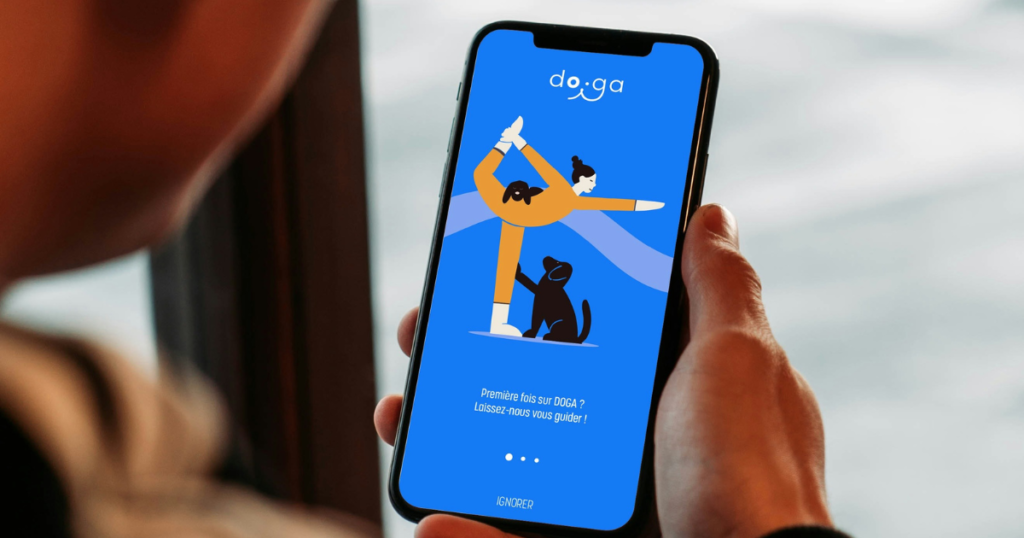
Most folks aim to shed pounds, gain strength, boost endurance, or just keep moving—smart gear shaped by data quietly supports each step. Devices you wear and programs on screens: they track what matters without fuss. Instead of guessing how hard to push, feedback shows shifts in real time. Goals feel clearer when numbers reveal progress others miss. Effort meets insight, slowly turning daily choices into results.
Best workout apps explained?
Out of nowhere, the best workout apps have started changing the way people monitor their daily health and activity. Some apps and smart gadgets use artificial intelligence to keep track of how you move, rest, and feel throughout the day. They collect important details like step count, calories burned, sleep quality, heart rate patterns, workout intensity, and even stress levels. While the technology works quietly in the background, large amounts of personal fitness data are gathered with very little effort from the user.
From morning walks to late-night breathing habits, these AI-powered systems continuously store and study information to understand health patterns better. Not every device works the same way, but most modern AI tools for fitness tracking go beyond basic movement monitoring. Some can detect small physical or emotional changes that people may not notice on their own. Even mood patterns and energy levels can leave signals that these intelligent systems are designed to recognize and analyze.

Starting fresh each day, these smart tools pick up habits over time instead of just counting steps. Because they watch patterns closely, suggestions shift quietly to match how someone actually lives. One moment it might nudge toward stretching, the next push a walk after dinner—there are no rigid rules. As mornings change, so do the ideas offered, shaped by nights slept and meals eaten. Feedback slips in naturally, like a quiet note from someone who’s been paying attention.
AI enhances workout apps’ accuracy
Most days, these apps just toss stats at you. Over weeks though, artificial intelligence begins spotting patterns nobody else sees. Not just tracking but understanding comes next. A sudden dip in energy might link to poor sleep two nights before—that kind of insight appears quietly. One morning, the app mentions recovery without being asked. Often, it connects dots between habits hidden until now. Slow progress? The system notes skipped stretches from three workouts back. Little by little, feedback feels less robotic. It adapts, almost like learning your rhythm
Maybe mornings work best. Or perhaps late afternoon fits your rhythm now.
Unhealthy sleep habits? It picks up on those.
After hard exercise, maybe take a break—this could help. Some recovery time might be useful following tough sessions.
Goals shift on their own as needed. The best workout apps improve when they listen closely, respond clearly, and react smoothly. A better fit comes through steady feedback, real adjustments, and moment-by-moment support.
Best Workout Apps for Progress Tracking
Starting out or staying active—either way, the best workout apps make things easier. One moment you’re tracking progress; the next, you’re nudged gently forward. Motivation grows like sticks better when support adapts. when effort feels clear, guided without pressure. These tools shape routines around real life, not rigid plans.
Personalized Plans with Workout Apps
Most people like how AI adjusts things just for them. Workouts come shaped around your age, what you weigh, and what you aim to do because of how active you are. When someone skips sessions or gets stronger, the system changes the routine without needing a reminder.

Real-Time Health Monitoring
Some smart fitness gadgets check heartbeat, blood oxygen, and tension signs, then track rest patterns while you move through your day. These clues show people how movement and routine choices shape physical responses.
Better Motivation and Consistency
Most people find it hard to stay driven when working out. Yet, certain programs send alerts that keep routines on track. Then again, digital rewards show up after milestones are hit. On top of that, updates appear regularly so changes become clear. Sometimes, a screen-based guide gives small nudges to finish exercises.
Accurate Data Analysis
Week by week, AI sifts through piles of fitness numbers without slowing down. Reports pop up—monthly or every seven days—highlighting shifts in how many calories vanished during movement sessions. Sleep patterns appear clearer over time, revealed alongside effort levels when exercising.
Best Workout Apps for Progress Tracking
These days, plenty of clever exercise gadgets show up everywhere, each built with unique functions that fit separate workout aims. Not everyone pushes physical training—some shift attention toward rest patterns instead, even meal intake oversight.
Fitbit
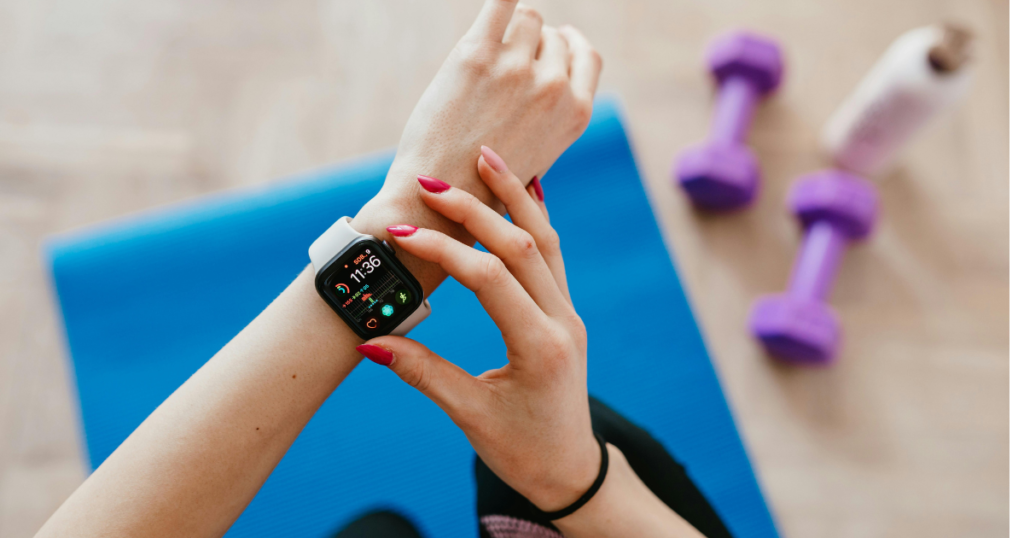
Some folks swear by Fitbit when counting steps or checking their pulse. Because it runs on smart tech, it logs how many calories vanish during a day’s hustle. A quiet night? The device maps sleep habits without asking. On top of that, routines like walking meetings show up as part of regular movement. Smarts Inside offers tips shaped just for you—no generic advice here. What shows up on screen often feels oddly specific, almost like it knows.
Key Features
Sleep tracking
Heart rate monitoring
Daily activity reports AI-based health insights
MyFitnessPal
Most people turn to MyFitnessPal when counting calories or arranging meals. Because it guides nutrition choices, the app also follows exercise routines alongside progress toward weight targets.
Key Features
Calorie counting
Meal tracking, fitnes
Fitness goal monitoring
Smart Nutrition Guidance Using Best Workout Apps
Apple Fitness+
Workouts adjust automatically based on how you move through them. A smart system learns your pace, then suggests what to try next. Motion from your wrist device flows into each session seamlessly.

Key Features
Guided workouts
Personalized recommendations
Smartwatch integration
Activity tracking
Freeletics
A smart system shapes each routine in Freeletics, learning how you move. Your pace changes what comes next—effort shifts the plan. Progress nudges new moves into place, quietly. The app watches, adapts, and stays one step behind your growth.
Key Features
AI personal coach
Home workouts
Strength and cardio plans Adaptive fitness routines
Whoop
Body signals matter most when training hard. Whoop watches rest, nightly recharge, and effort levels closely. Stress from the daily grind plus exercise shows up clearly here. Users see what slows them down or speeds recovery. Data comes alive through personal patterns over time. Clarity grows when numbers reflect real-life strain.
Key Features
Recovery analysis
Sleep monitoring
Strain tracking
Personalized health reports
Best Workout Apps for various fitness goals
Some folks turn to AI workout apps because they want more energy throughout the day. Smart software helps track progress without needing a coach nearby. One person might aim for strength gains; another could focus on daily movement habits instead. Goals shift from user to user, yet the tech adapts quietly behind the scenes. While some log exercises religiously, others just glance at weekly summaries now and then. Tools change shape depending on who’s holding them.

Weight Loss
Tracking meals, movement, and workouts becomes easier with smart tools. When guidance fits personal habits, staying on course feels more natural. Results often shift when eating and training match individual needs.
Muscle Building
Some fitness apps suggest how much protein to eat, when to take breaks, and which strength moves help most. Tracking your lifts and progress? That gets handled by smart software too.
Improving Mental Health
Stress tracking shows up in certain smart fitness bands. When sleep patterns get analyzed, tips pop up—like guided breathwork instead of meditation prompts—to support clearer thinking.
Sports Performance
Working out gets smarter when athletes track how long they last and how fast they bounce back after each session, including intensity levels too. As numbers update live, better choices follow—fewer setbacks happen along the way.
The Future Of Best Workout Apps
Smarter tools are shaping how people track workouts tomorrow. Year by year, artificial intelligence grows sharper—health checks become simpler and clearer. Progress slips into place without noise or fuss.

Best Workout Apps for Progress Tracking
Virtual reality workouts
AI-powered personal trainers
Advanced body movement analysis
Real-time injury prevention
Smart nutrition planning
Pieces you wear each day keep gaining sharper minds. Down the road, gadgets that watch your workouts might spot sickness long before you feel bad—giving people a better chance to remain well. Fitness gadgets powered by smart software might soon fit how you live, reaching more people every year. A shift toward custom help could quietly reshape workouts for regular folks.
Using the best workout apps for fitness
Truth is, I rely on AI helpers when it comes to keeping up with exercise each day. Workouts start making sense once they’re laid out clearly by these systems. Staying in motion feels easier because nudges come at just the right times. Progress slips through the cracks less since everything gets logged without me lifting a finger. Custom tips pop up now and then—strangely spot-on ones that fit exactly what I need.
What stands out most? Real-time tracking—it reveals how everyday choices shape long-term fitness results. Instead of guessing, people see patterns emerge through sleep data alongside movement summaries, making steady habits easier to sustain.
Fitness apps powered by artificial intelligence might seem made for pros, yet they work just as well for someone starting slow. A new routine can feel overwhelming—these tools offer quiet guidance without judgment.
Conclusion
Out here, artificial intelligence shapes how folks keep up with exercise and well-being. Instead of guessing, these clever systems hand out custom routines while watching progress as it happens. One moment you’re moving; the next thing a feed updates your intake. Motivation tags along, quietly pushing toward results. Goals feel closer, simply because feedback arrives without delay.
Starting with goals like shedding pounds, getting fitter, gaining muscle, or simply staying well, smart workout tech guided by AI simplifies each step while adding sharper insights. When machines learn faster, so do health gadgets, growing quietly into better helpers woven through everyday routines.
These days, artificial intelligence shows up more than ever in workout routines. It fits right into how people now handle their well-being.